Friday, 9 August 2013

Savusavu to Lautoka: When will the fishing stop?

Gary's condition is worsening.  Perhaps our last week heading from Savusavu to Lautoka might shed some light on just what I mean.

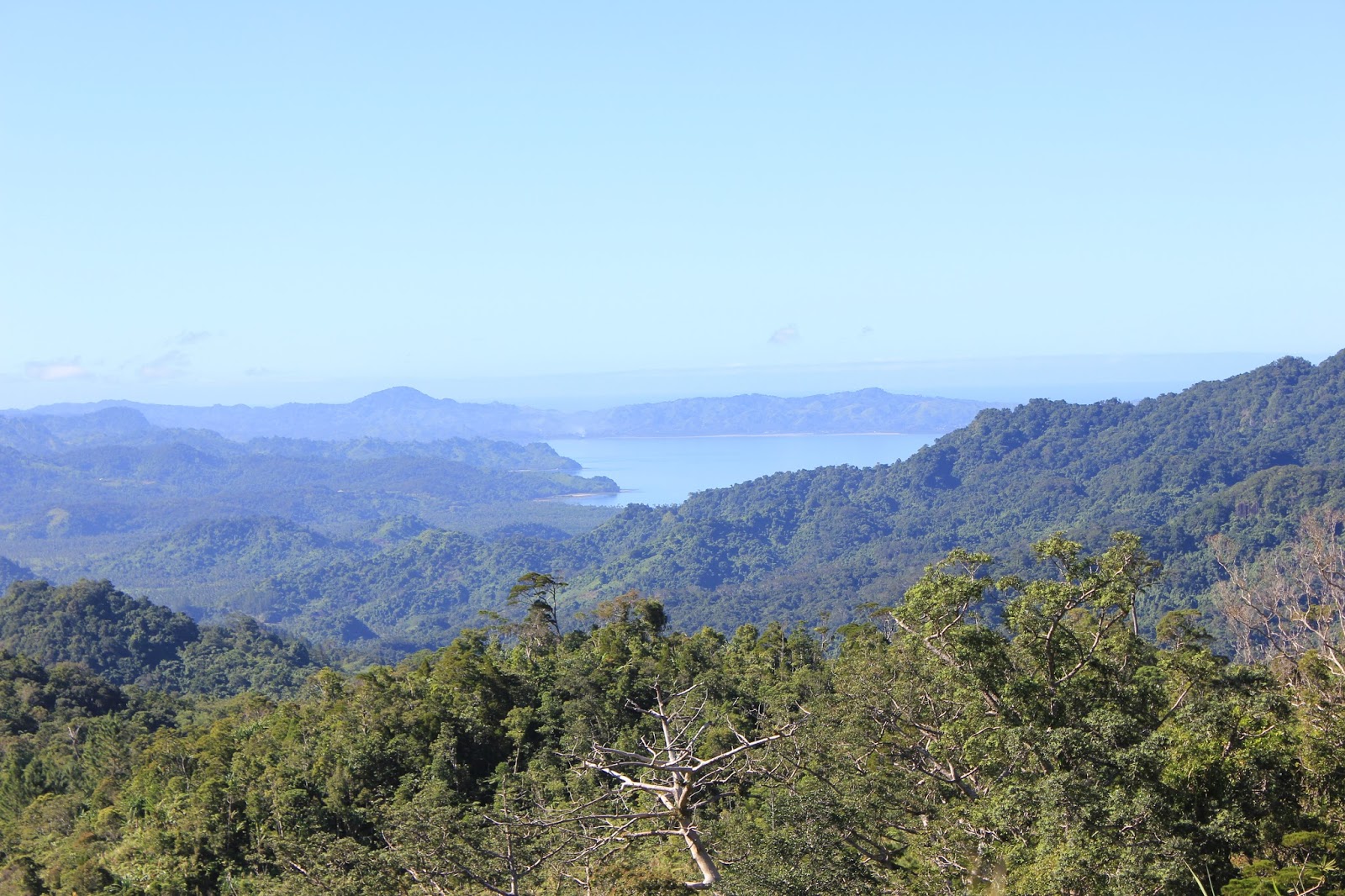
We head out of the amazingly sheltered inlet at Savusavu around the southern corner of Vanua Levu to the anchorage by Nasonisoni Island.  The trip was only about 30 miles and with our motoring average of 7 knots (there was no wind), it should have taken us just over 4 hours.  So, how could this trip possibly take 6 hours? Fishing.

We had been to a seminar by Culry, a local cruiser, on cruising the Fiji Islands and were told the Nasonisoni Passage was an awesome fish spot.  This was not good enough for Gary, he had put out the lures the moment we left the anchorage and made 90 degree turns away from course to investigate birds he saw on the horizon through the binoculars that might as well have been glued to his face.  

Luckily for me, he also managed to spot a pod of whales relaxing on the surface.   We tried to keep a good distance and watched their strange antics, popping their heads vertically out of the water as if they were part of a "whack-the-weasel" carnival game.


Our hopes for a successful fishing day soared when we came across a school of big Mahi Mahi chasing flying fish.  We watched as Mahi Mahi, about a metre long, skipped along the surface.  Unfortunately, our lures were just not interesting enough and the fish disappeared.  


We caught up with another school doing the same thing.  Gary went wild when a Mahi Mahi jumped out of the water chasing our lure, but again we were disappointed as it turned away at the last minute.

We turned our hopes to the Nasonisoni Passage, but came out the other side still fish-less.


We made the anchorage mid afternoon, whereupon Gary took off in the dinghy to try his luck through the passage again.  As dusk fell, he came back a very unhappy boy.

The next day we pushed onwards up the coast to Bua Bay, another 35 miles away.  Gary kept well on course, largely because there is only a narrow channel between the offshore reefs and the coast for boats to pass through.  We arrived on time, but again with no fish.

Day three, we crossed Bligh Water and headed for Nananu-i-ra anchorage on the northern coast of Viti Levu.  The weather had been slowly building the last few days, and we were on the wind in 20-25kts for the 5 hour passage.  

As we neared Nananu Passage on Viti Levu we were still without dinner.  Just when we were thinking about dropping sails for the pass, both lines screamed with yet another double strike.  We furled the jib and completely eased the mainsheet to slow the boat down, before reeling in our catch.  My arms ached as I pulled in the largest Yellowfin Tuna I have ever caught.  We kept both, on Gary's insistence, and headed into the bay with a full freezer.

We off loaded some of the catch to our friends from Confederate, who then treated us to fish dinner aboard.  

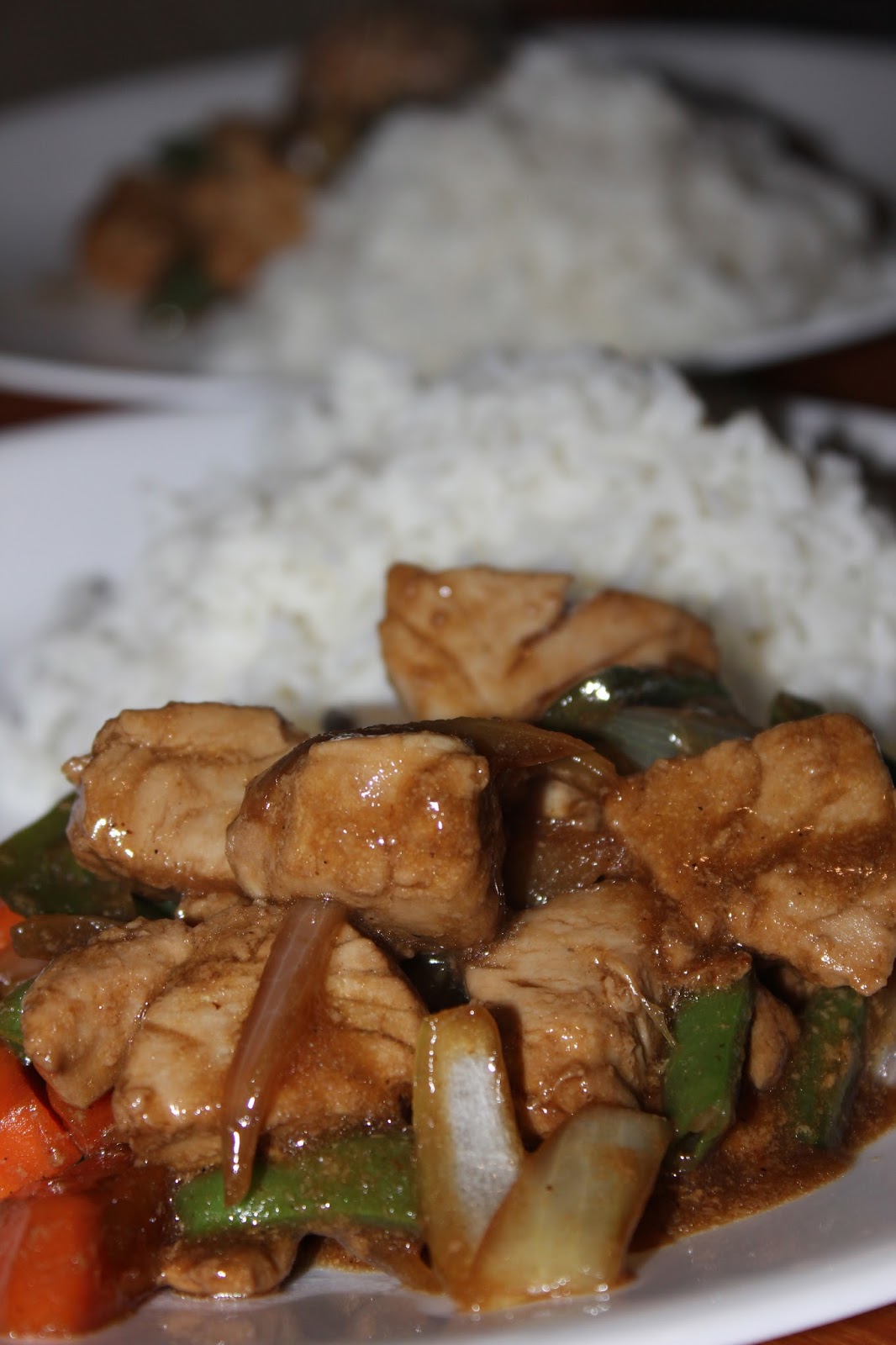
For the last four days I have been trying to cook the fish a different way each night: fish in Caribbean spices; fish in Creole fish fry; fish and veges in oyster sauce; and fish steamed in tin foil pockets with lemon juice, white wine and capers.  Unfortunately, the freezer isn't looking any less full.


With so much fish packed in the freezer, you would expect that our trips over those last four days to Lautoka would be "fishing-free".  Unfortunately, that is not the case.  I growl at Gary every time he puts the lines out, only to be confronted with promises of "catch and release".  We haven’t caught another fish yet and fingers crossed it stays that way until we have eaten our way through the last two!


Monday, 5 August 2013

Fiji: Vanua Levu Road Trip

We rent a car with fellow kiwi cruisers Anna and Robin from "Confederate" for a road trip around the island of Vanua Levu.  After a quick stop at the hospital, to pay the extortionate "heath check" fee (despite the fact that we never received a health check) and another stop for a roadside roti, we were on our way.

Winding through the roads, past clusters of houses, you soon realise that the Fijians are not poor, but instead time rich.  While there may not be many fancy cars or mansion houses, the houses are well kept and the gardens full of thriving vegetables.  

First stop is at the rainforest trail.  We are, again, shod with jandals for our treck through the rainforest, but this time it doesn't feel odd as of course our fellow kiwis are also wearing jandals.  Anna and Robin are much fitter than us, having only just begun their cruising adventure and having not been confined to 50ft for 18 months like us (well, that's my excuse anyway).  They set a good pace and we generally keep up with them on the downhill stretch.  At the bottom, by a little waterfall, we catch our breath and enjoy the surroundings.  On the way back up, our lack of fitness is much more obvious, arriving at the top much later than Anna and Robin, finding them fully recovered and chatting with the trail curator.  


Very thankful to have survived the rainforest treck, we get back in our trusty rental car and head on to Labasa, the largest town on Vanua Levu.  After many twists and turns, a change in driver, and many road intersections that we don't take much notice of, we arrive in Labasa just on lunch time.


Anna has come well prepared and pulls out the lonely planet for a few recommendations for a spot for lunch.  We find the first restaurant, well, where it used to be and is now an empty lot.  The second restaurant is closed for lunch, or possibly renovations, we don't get a full explanation which.  We follow our noses instead and end up at a wonderful Chinese restaurant packed with locals, so we knew it was going to be good.  

Now stuffed with fried rice, mongolian fish and chow mien, we continue on.  We pass a line about a kilometre long of trucks stacked with sugar cane, waiting to drop off their load at the sugar mill.  The houses on this side of the island are just as well kept, and we begin to notice how much of the island is planted with sugar cane.  

We don't quite make the eastern end of the island before we realise it is getting late and we should head back towards Savusavu, about a 3 hour drive away.  

Gary and I chat away incessantly, enjoying the opportunity to talk to someone other than each other, when we reach a dirt road that we don't remember passing on the way to Labasa.  Realising we have missed a turn off and are now completely lost, Anna jumps out and consults some local women dressed in saris.  The local women laugh and laugh, telling us we are now on the western end of the island, having missed the turn off to Savusavu which is about midway along the island, 30km away.  We turn back and reach the fairly obvious turn off about half an hour later.  I blame Gary, who was driving at the time we passed the turn off, Gary blames me as navigator during said passage, and we all have a good laugh.

We arrive back in Savusavu just as the sun set and just in time for a beer at the yacht club.


Sunday, 4 August 2013

Tonga to Fiji and a couple of Marlin (A Gary Blog)

To date we have not had any offshore passage remotely similar to another, and the trip from Tonga to Fiji was no exception.  The highlights (or lowlights) of this trip were not broken autopilots, hand steering, big seas, or forty knots.  This was a fishing trip, and the best one yet. 

About 6 miles off Tonga there are a few FADs or fish aggregation devices anchored in about 1000m (this is not a typo) of water. The purpose is as one would expect – to attract fish. We departed Tonga on a Friday (which is supposed to be bad luck if you are superstitious) at 11:00 with our bananas swinging from the back of our bimini (also bad luck) and set our course for the middle FAD.  Upon arrival at 12:00 we began making passes in the general vicinity of the FAD and around the numerous birds that were working. After 15 minutes we headed for a concentration of birds and up ahead we saw a large dark figure in the water.  I was getting rather excited about the possibility of catching this large animal,  however, my chances were spoit as two yellowfin tuna devoured the lures that we were towing. 

Ordinarily once we hook up,  I reel them in and Kate gets yelled at as the ‘crazy fishing gene’ (present in all males I think) makes an appearance.  This time however, we both had fish to reel in, so we let the boat drift and quickly dispatched our catch to the chilli bin.  

I then set about the clean up while Kate drove Toodles around for another pass.  It does not take long before we have another double hook up and two more yellowfin tuna.  These are released to fight another day.  

Although I could have spent all day there, I resign myself to the fact that we should probably get on our way and think about turning towards Fiji.  Kate points out a whale breaching about a mile away and we are ‘forced’ to go have a look. After a while we lose sight of the playful mammal and reluctantly turn towards Fiji, finally on our way by 12:30.

We had now left what is supposed to be the best place to catch fish, so in my mind expectation of fish has been reduced to a strong hope of fish.  By 13:00, as Kate is cooking up the yellowfin breadcrumbed with tomato and basil (that surpisingly goes really well)  I spot a marlin harassing the lure.  Unfortunately, it goes on its merry way, but the wanton expectation is beginning to set in again.  Lunch is served only to be interuppeted by another double hookup of tuna.  With a blister on her hand, Kate does not permit me to put out a second line and I am forced to only fish with one lure out the back. 

When fishing in New Zealand, it seems that the more unprepared you are, the bigger fish you will catch.  In NZ we are able to bribe a fish on to the line by putting the rod in the rod holder and tempting the fish with making coffee. So hoping to repeat this we hoist the main and jib and beging sailing in ernest, making ourselves more vulnerable to the bigger fish…. and it worked.

At around 14:00 the reel starts losing line, not fast but consistently.  We take the time to stop the boat, me trying to suppress the crazy fishing gene and then I pick the rod up and wind up the drag.  At this point, the fish goes berserk, jumping, thrashing, and tail walking, revealing my first proper marlin hook up.   The rest of the fight was a bit of a blur for me (a symptom of the crazy fishing gene) but we did get it to the boat, grab the leader (apparently that counts as landed) and cut my first marlin free.  It may not have been the biggest, but it counts!


Two days later and approaching Fiji, I convince myself that we needed more fish as we are getting low on fish after eating it for every meal. While Kate was off watch, I sneak out a line, and wait.  It did not take long (10 minutes) and the reel starts running again, this time with even more purpose than two days prior.  Kate is woken by the sound of the reel (and me) screaming.  I pick the rod up and set the drag up hard and the already hard running fish runs even harder.  The fish charges off and thrashes about in the air.  Again it was another marlin hook up, but this time, it was huge.  The marlin pulled 200m of line (half the reel) in one hit and I wondered just how this was going to end.  Unfortunately, it manages to break the main line (I don't think the leader was long enough, but I am sure some marlin catching guru will know how to stop this in the future) and I am left disappointed, but with a big urge to get into game fishing in a big way!

To top off the trip once inside the reef area another marlin takes the lure but spits the hook pretty quickly.  With the score at 1 - 2,  and me having lost two lures, we head into harbour.  The very first chance I get in Savusavu, I rush out and buy new lures with long traces.

Round two, bring it on!

Sunday, 28 July 2013

Arrived Savu Savu!

Arrived savu Savu at 3 am Monday morning - enough light to very cautiously find our way in - looks a nice place to explore -will get some sleep before clearing in.

Saturday, 27 July 2013

Nanuku passage

8am Position 16 degrees 36 minutes S, 178 degrees 35 minutes W
Sailing at 7 knots course 281, wind 20 knots from 100, moderate seas, poor visibility in heavy rain!  5 miles from the turning point towards the entrance to Nanuku passage between the reefs and islands East of Fiji, looking at charts and cruising guides to see whether night arrival to Savusavu is OK, and, if not, whether there is good safe shelter off savu savu for the night (not a good idea to sail these waters close inshore at night, when charts are not always accurate and reefs wont be visible). At this speed we will not arrive in daylight.  Forecast is for 20 knots ESE, showers.

Friday, 26 July 2013

Striped marlin

Saturday position - 17degrees 42 minutes S; 176 degrees 14 minutes W.
Speed 7.4 course 300
Wind 16 knots from 116
158 miles to Nanuku passage, 278 to Savu Savu

When we left Tonga, its was on the first sunny day we had in ages.  An hour out we were distracted by catching 7 yellow fin Tuna (6 of them double strikes, meaning both rods went at the same time) - we only kept the best two - and then were entertained by a pod of whales nearby.  Just as we thought we had better get back on course towards Fiji, we were distracted again by hooking onto, playing and landing a beautiful striped Marlin - which we released.
Then the clouds and rain returned and it has been showery and cloudy since.  Forecast is for the weather to clear this afternoon.
Should sight outlying islands of Fiji tomorrow morning.

Thursday, 25 July 2013

Leaving Tonga

Satphone report 10.30 local time.
Just leaving neiafu harour, Vava'u, Tonga, heading for Savu Savu in Fiji.  Weather forecast to be light S to SE today, becoming SE 15 - 20 tomorrow with moderate swell and sea conditions.  Hopefully three days sail to Fiji!